
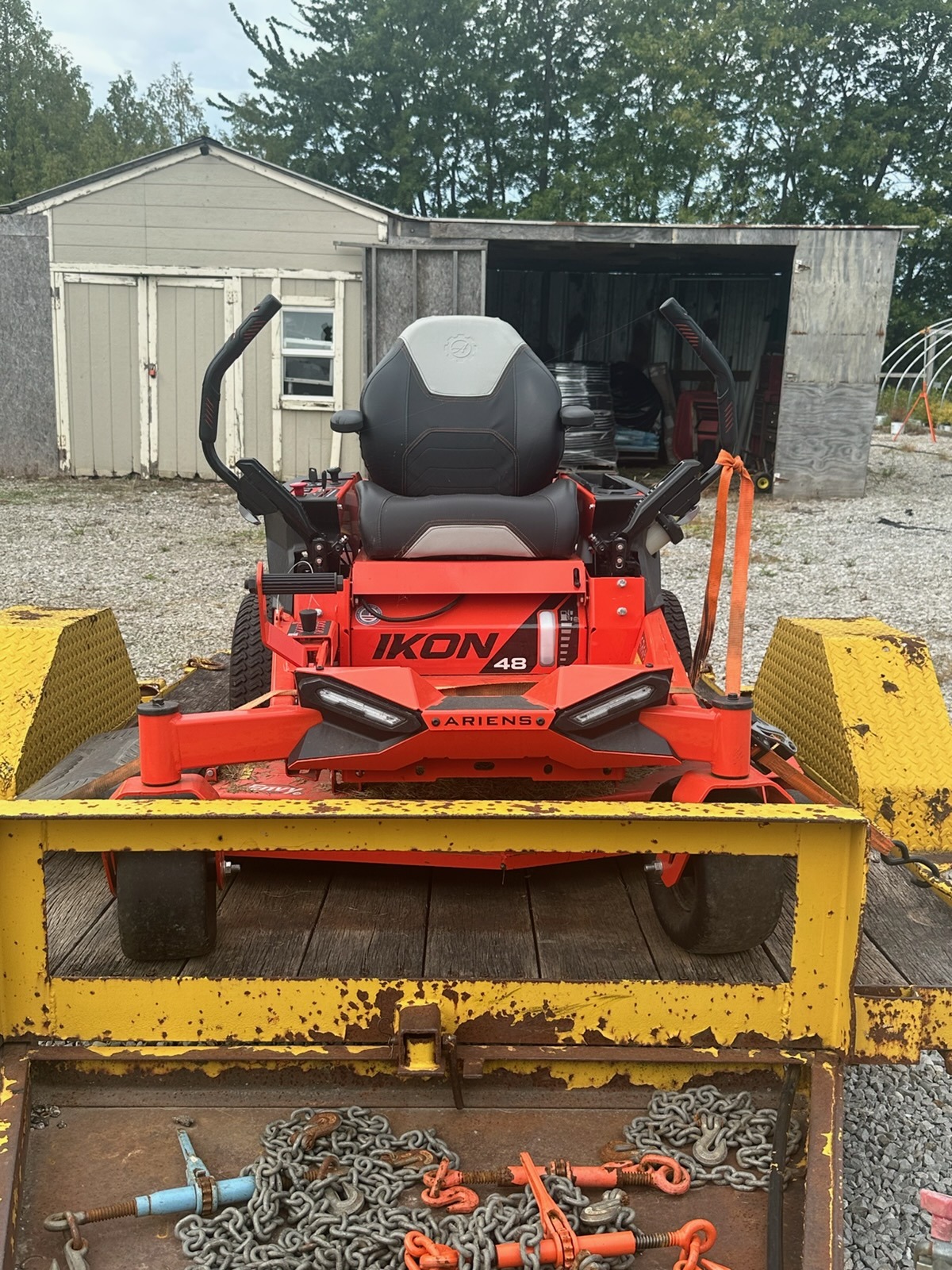
Let the grass set the pace
Grass grows faster some weeks than others. Adjust your mowing schedule so you don’t remove more than a third of the blade at once, and use a height suited to your grass. Sharp mower blades make a cleaner cut. Leave light clippings on the lawn, but break up heavy clumps so they don’t smother it.
Give new sod extra attention
Before laying sod, work out why the old lawn struggled. Shade, compacted soil, and poor drainage won’t disappear under new grass. Once sod is down, water promptly and keep it and the soil beneath moist while roots establish, without leaving puddles. Limit foot traffic and follow your installer’s advice about the first mow and when to ease back on watering.
Adjust as the weather changes
In spring, look for winter damage and check the irrigation before you need it every day. Through summer, watch for dry spots and pooling water, and change the schedule after rain. Heat-stressed grass doesn’t automatically need fertilizer. Check the soil and the conditions before deciding what to add.
Get ready before the first freeze
Don’t leave thick mats of leaves sitting on the lawn. Have irrigation winterized before freezing weather when the system requires it. If you use a plowing service, mark obstacles and agree on where snow should go before it falls. Follow deicer labels and keep products away from sensitive plants.
ONE THING TO REMEMBER
New sod needs a different routine from an established lawn. Ask for a care plan when it goes in.
Keep learning
Want to read a little more? These are the resources behind the guide. Check your plant label and the conditions in your own yard, too.